Film School 101: School of Dad
A curated list of films from a dad to his son: movies he's less likely to find on his own, but each one teaches something worth knowing. From sharp dialogue and precise direction to subversive tone, philosophical sci-fi, and offbeat emotional depth. These are handpicked for impact, not nostalgia.
These aren't necessarily my favorite films. Most of my favorites, your Star Wars and GoodFellas and Princess Brides, he'll find without my help. This list is for the ones he might not. (One favorite he will never find on his own: Kids in the Hall: Brain Candy, one of my favorite comedies. It's not for everybody. I'm not even sure it's for him. It's for me, which is why it made the cut. Five stars.)
93 films, in the order they sit on the list. Titles link to each film on Letterboxd. The list on Letterboxd · I log films at @betheball.
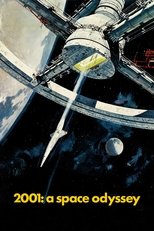 2001: A Space Odyssey — Stanley Kubrick, 1968Still the one everything else answers to. It asks for patience and pays all of it back.
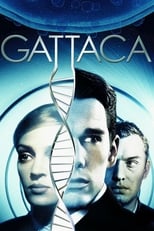 Gattaca — Andrew Niccol, 1997Science fiction with no aliens and no lasers, just one idea that gets more relevant every year.
 Ex Machina — Alex Garland, 2015Three people in a house, and it's still the best AI movie there is. The ending is exactly right.
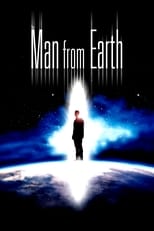 The Man from Earth — Richard Schenkman, 2007One room, one conversation, almost no budget. Proof that an idea is enough.
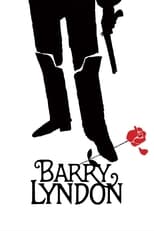 Barry Lyndon — Stanley Kubrick, 1975Every frame looks like a painting, and Kubrick shot the candlelight for real. Slow, and worth it.
 Empire of the Sun — Steven Spielberg, 1987War seen through a kid who only half understands it, which makes it hit harder. Underrated next to the big Spielbergs.
 Eastern Promises — David Cronenberg, 2007Viggo Mortensen is terrifying and precise. The bathhouse fight is as real as movie violence gets.
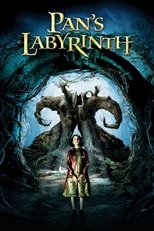 Pan's Labyrinth — Guillermo del Toro, 2006A fairy tale with actual teeth. The fantasy and the war are the same story, and that's the trick.
 Gallipoli — Peter Weir, 1981It's a movie about running, until it isn't. The last shot stays with you.
 Adaptation. — Spike Jonze, 2002A movie about not being able to write the movie you're watching. It shouldn't work at all, and it works completely.
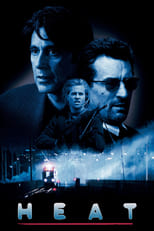 Heat — Michael Mann, 1995The diner scene, the bank shootout, and the discipline of the whole thing. Mann treats cops and thieves as the same job.
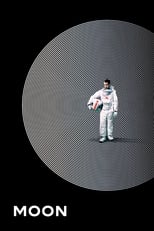 Moon — Duncan Jones, 2009Sam Rockwell, mostly alone, doing more than whole casts manage. Small, smart science fiction.
 The Big Lebowski — Joel Coen & Ethan Coen, 1998Gets funnier every time. People forget the plot is a Raymond Chandler story in a bathrobe.
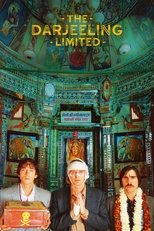 The Darjeeling Limited — Wes Anderson, 2007Three brothers on a train, and all that symmetry has an ache under it. The Wes Anderson I would start with.
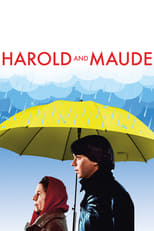 Harold and Maude — Hal Ashby, 1971A love story that has no business working. Dark, sweet, and the Cat Stevens songs carry half of it.
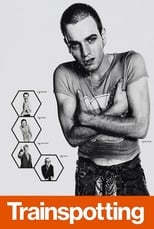 Trainspotting — Danny Boyle, 1996Ugly subject, electric filmmaking. It never once preaches, which is why it lands.
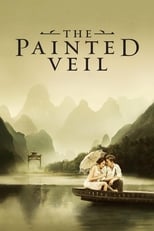 The Painted Veil — John Curran, 2006A marriage repaired in the middle of a cholera epidemic. Patient and beautiful, and almost nobody knows it exists.
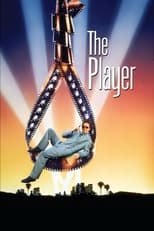 The Player — Robert Altman, 1992Hollywood eating itself, and Altman enjoying every bite. The opening shot alone is a film school.
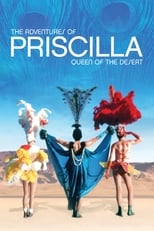 The Adventures of Priscilla, Queen of the Desert — Stephan Elliott, 1994Three drag queens crossing the outback in a bus. Funnier than it has any right to be, and kinder too.
 About Time — Richard Curtis, 2013The time travel is a trick. It is really about how you choose to live an ordinary day, and it sneaks up on you.
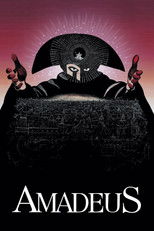 Amadeus — Miloš Forman, 1984Genius seen through the one man cursed to fully understand it. Salieri is one of the great characters in film.
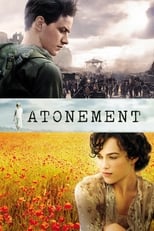 Atonement — Joe Wright, 2007One lie, told by a child, and everyone pays for it for a lifetime. The typewriter in the score says it all.
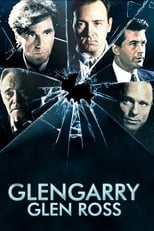 Glengarry Glen Ross — James Foley, 1992Salesmen tearing each other apart in two rooms. Every actor at full power, and the Baldwin scene is a masterclass in seven minutes.
 Falling Down — Joel Schumacher, 1993An ordinary man walks across Los Angeles and comes apart. Uncomfortable on purpose, and it never fully lets you take his side.
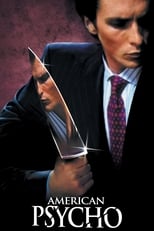 American Psycho — Mary Harron, 2000A horror movie that is really a comedy about surfaces. The business card scene says more about status than most whole films.
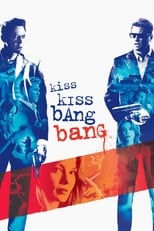 Kiss Kiss Bang Bang — Shane Black, 2005Shane Black making fun of every detective story while writing a great one. The narration alone is worth it.
 The Cable Guy — Ben Stiller, 1996Jim Carrey playing it dark, and audiences were not ready. Better than its reputation.
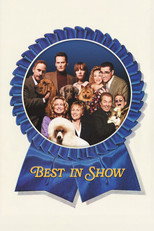 Best in Show — Christopher Guest, 2000A dog show becomes the funniest thing running. Every character is somebody you have met.
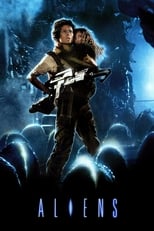 Aliens — James Cameron, 1986Cameron took a haunted house and made it a war movie, and both are perfect. Ripley is the best action hero there is.
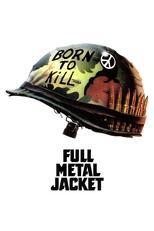 Full Metal Jacket — Stanley Kubrick, 1987Two movies in one, and the first half is so strong people argue about the second forever.
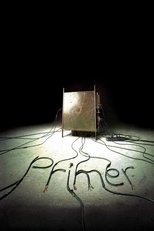 Primer — Shane Carruth, 2004Time travel by engineers who talk like engineers. You will need two viewings minimum, and that is a feature.
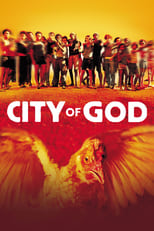 City of God — Fernando Meirelles, 2002Kinetic like nothing else. A whole world you have never seen, moving at a sprint.
 The Lobster — Yorgos Lanthimos, 2015One absurd rule, followed to the letter, completely deadpan. Not for everyone, and that is fine.
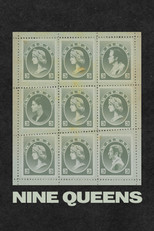 Nine Queens — Fabián Bielinsky, 2000An Argentine con movie where you are being conned right along with everybody else. Go in knowing nothing.
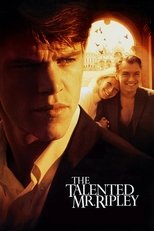 The Talented Mr. Ripley — Anthony Minghella, 1999You spend two hours pulling for a man you should be running from. That is the achievement.
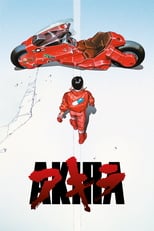 Akira — Katsuhiro Otomo, 1988The one that showed everybody what animation could do. Half the movies since have borrowed from it.
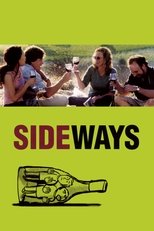 Sideways — Alexander Payne, 2004A wine trip where the wine is doing the talking about everything else. The pinot speech is really about him, and it is perfect.
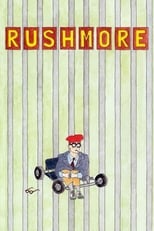 Rushmore — Wes Anderson, 1998The kid is insufferable and you love him anyway. Bill Murray as the sad millionaire might be his best work.
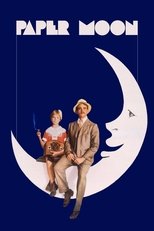 Paper Moon — Peter Bogdanovich, 1973A con man and a little girl working the Depression in black and white. Father and daughter in real life, and you can feel it.
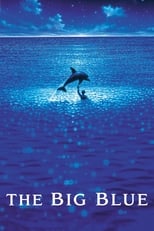 The Big Blue — Luc Besson, 1988Free divers chasing a place the rest of us only visit. The ocean has never looked better on film.
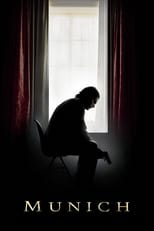 Munich — Steven Spielberg, 2005A great movie, and in my opinion it is really about the individual characters more than the mission.
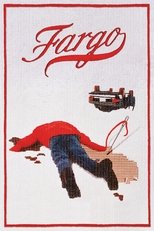 Fargo — Joel Coen & Ethan Coen, 1996Small-town politeness wrapped around terrible things. Marge is one of the great characters, period.
 L.A. Confidential — Curtis Hanson, 1997Three cops, three kinds of ambition, one perfect script. They do not build them like this anymore.
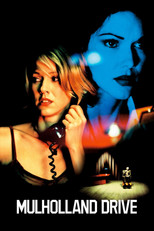 Mulholland Drive — David Lynch, 2001I will not pretend to explain it. It is a dream that curdles, and it earns the confusion.
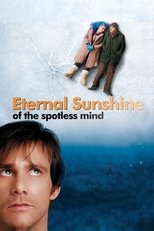 Eternal Sunshine of the Spotless Mind — Michel Gondry, 2004The best movie about memory and love, full stop. High concept, and every bit of it in service of something true.
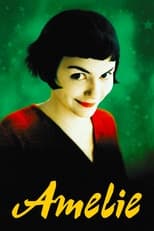 Amélie — Jean-Pierre Jeunet, 2001Paris scrubbed to a shine and a heroine you root for without reservation. Pure pleasure, with craft everywhere.
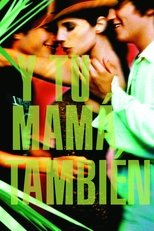 Y Tu Mamá También — Alfonso Cuarón, 2001A road trip that is really about a country, and about growing up. The narrator tells you things the boys never learn.
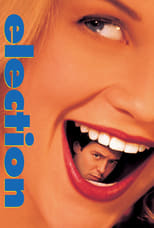 Election — Alexander Payne, 1999A high school election as war. Tracy Flick explains half of politics.
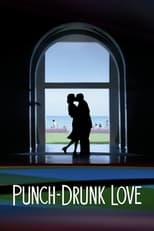 Punch-Drunk Love — Paul Thomas Anderson, 2002Adam Sandler, used correctly. Rage and sweetness in the same body, and it is oddly beautiful.
 Bad Boy Bubby — Rolf de Heer, 1993The strangest thing on this list, and I know what else is on this list. Go in blind.
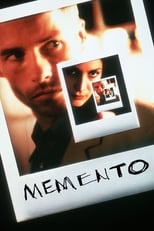 Memento — Christopher Nolan, 2000Backwards, and not as a gimmick. The structure puts you inside a broken memory, and it plays fair.
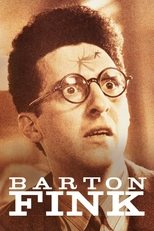 Barton Fink — Joel Coen & Ethan Coen, 1991A writer with a block, and then it becomes something else entirely. The Coens at their strangest, and John Goodman is enormous in it.
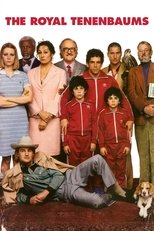 The Royal Tenenbaums — Wes Anderson, 2001A family of former geniuses failing at being people. Funny and genuinely sad in the same breath.
 Quest for Fire — Jean-Jacques Annaud, 1981No subtitles, no translated language at all, and you understand everything. Nobody would dare make it now.
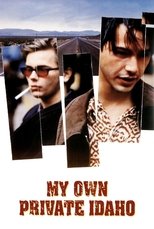 My Own Private Idaho — Gus Van Sant, 1991River Phoenix, and Shakespeare smuggled onto the street. It stays with you in a melancholy way.
 Brotherhood of the Wolf — Christophe Gans, 2001A French period piece that is also a monster movie that is also kung fu. It should be a mess. It is a blast.
 Deliverance — John Boorman, 1972Four city men, one river, and the wilderness does not care. Fifty years on, it still has teeth.
 sex, lies, and videotape — Steven Soderbergh, 1989Four people talking, mostly about what they cannot say. It launched a whole era of independent film and is still the best of it.
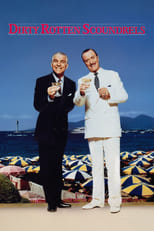 Dirty Rotten Scoundrels — Frank Oz, 1988Michael Caine and Steve Martin conning the Riviera and each other. Comfort food, executed perfectly.
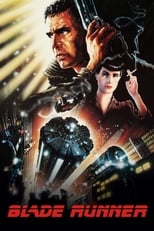 Blade Runner — Ridley Scott, 1982The look that a thousand movies have been borrowing ever since. Underneath it, a question about what counts as alive.
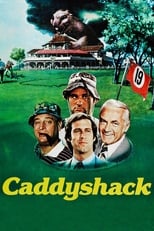 Caddyshack — Harold Ramis, 1980Be the ball. My Letterboxd handle comes from this one, which tells you where I stand.
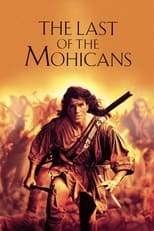 The Last of the Mohicans — Michael Mann, 1992Total sincerity, and it works. The last twenty minutes and that score.
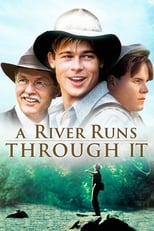 A River Runs Through It — Robert Redford, 1992Fly fishing as a way of talking about family and grace. Quiet, and it lands hard at the end.
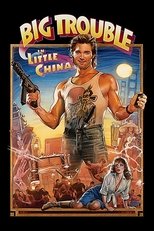 Big Trouble in Little China — John Carpenter, 1986Kurt Russell plays the sidekick who thinks he is the hero, and nobody tells him. Pure fun.
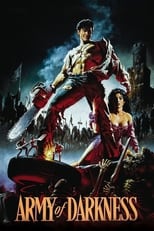 Army of Darkness — Sam Raimi, 1992A horror sequel that decided to be a comedy with a chainsaw hand. Every line is quotable.
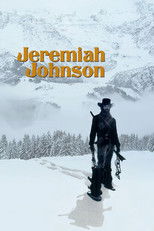 Jeremiah Johnson — Sydney Pollack, 1972A man walks into the mountains to be left alone, and the mountains have their own ideas. Barely any dialogue, and it does not need it.
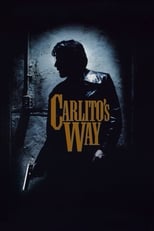 Carlito's Way — Brian De Palma, 1993A gangster trying to walk away, and the movie tells you from the first minute how that goes. Pacino underplays it beautifully.
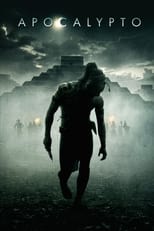 Apocalypto — Mel Gibson, 2006A chase movie set five hundred years ago in a language nobody speaks anymore, and it absolutely moves.
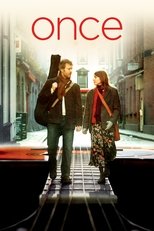 Once — John Carney, 2007Two people, some songs, and almost nothing else. One of the most honest love stories on film.
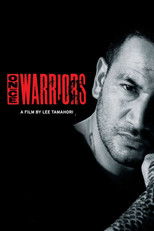 Once Were Warriors — Lee Tamahori, 1994Brutal and necessary. The violence has a history, and the ending refuses to make it easy.
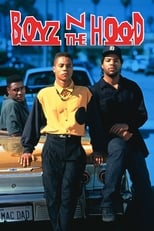 Boyz n the Hood — John Singleton, 1991Singleton was barely into his twenties when he made it, and it plays like a lived life. The people are real first, which is why the message lands.
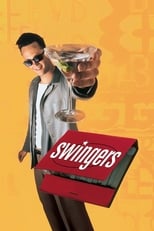 Swingers — Doug Liman, 1996Guys covering heartbreak with talk. The answering machine scene is the most painful comedy ever filmed.
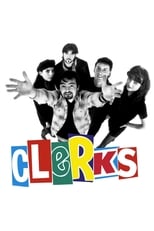 Clerks — Kevin Smith, 1994Made on credit cards in the store where Smith actually worked. Proof that a script and nerve are enough to start.
 When Harry Met Sally… — Rob Reiner, 1989The romantic comedy the rest get measured against. Every scene is two people actually talking to each other.
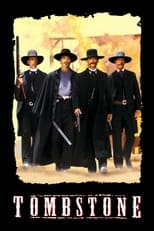 Tombstone — George P. Cosmatos, 1993Val Kilmer walks off with the whole movie as Doc Holliday. That is all that needs saying.
 Léon: The Professional — Luc Besson, 1994A hitman, a twelve-year-old, and a houseplant. It walks a line it should not be able to walk, and Gary Oldman is unhinged in the best way.
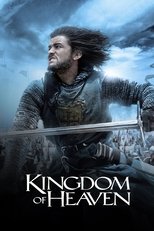 Kingdom of Heaven — Ridley Scott, 2005See the director's cut, not the theatrical one. They are different movies, and the long one is the real one.
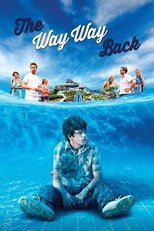 The Way Way Back — Nat Faxon & Jim Rash, 2013A kid finds the adult who actually sees him, and it happens at a water park. Sam Rockwell again, effortless.
 Better Luck Tomorrow — Justin Lin, 2002Honor students running a criminal enterprise out of boredom and pressure. Justin Lin before the franchises, hungry.
 Ravenous — Antonia Bird, 1999A western, a horror movie, and a very dark comedy about appetite, all at once. The score alone is worth the trip.
 Seven Samurai — Akira Kurosawa, 1954Three and a half hours and none of it wasted. Half the action movies you have seen are quoting it without knowing.
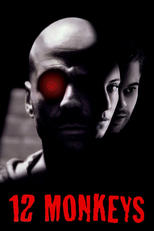 Twelve Monkeys — Terry Gilliam, 1995Time travel where knowing the future helps nobody. Gilliam chaos with a real spine.
 The Fly — David Cronenberg, 1986A tragedy wearing a monster movie. You feel the loss inside the horror, and Goldblum is perfect in it.
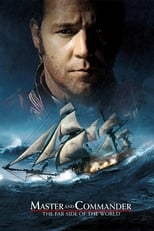 Master and Commander: The Far Side of the World — Peter Weir, 2003The whole world of a warship, science and surgery and weather included. They should have made ten of these.
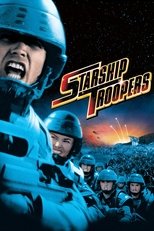 Starship Troopers — Paul Verhoeven, 1997A satire played so straight half the audience missed the joke. Verhoeven knew exactly what he was doing.
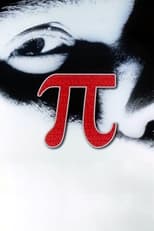 Pi — Darren Aronofsky, 1998Obsession shot in grainy black and white for pocket change. Math as a horror movie, and you can feel the headache on purpose.
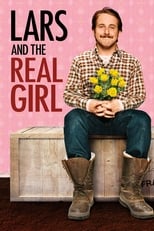 Lars and the Real Girl — Craig Gillespie, 2007The premise sounds like a joke and the movie refuses to treat it as one. A whole town chooses kindness, and it is quietly devastating.
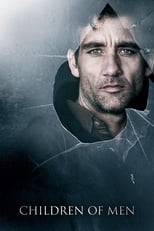 Children of Men — Alfonso Cuarón, 2006The most plausible end of the world ever filmed. The long takes stop being technique and start being dread.
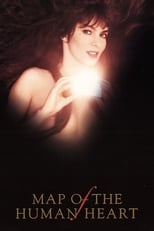 Map of the Human Heart — Vincent Ward, 1992Almost nobody has seen it, which is a shame. A love story that spans decades and ends up somewhere you do not expect.
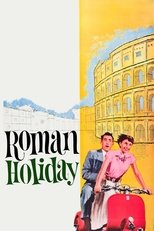 Roman Holiday — William Wyler, 1953Audrey Hepburn, and an ending braver than most modern romances would dare. Black and white, and it does not matter.
 True Romance — Tony Scott, 1993A Tarantino script in Tony Scott hands, and every scene has somebody famous being great. The Walken and Hopper scene is the one everyone remembers, for good reason.
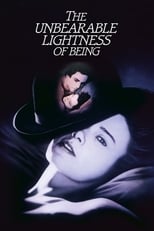 The Unbearable Lightness of Being — Philip Kaufman, 1988Love and politics in Prague, 1968. Long, adult, and it trusts you to keep up.
 Kids in the Hall: Brain Candy — Kelly Makin, 1996I know. I do not care. It is my kind of stupid, and it is smarter than it looks.
Poster art from  . This site uses the TMDB API but is not endorsed or certified by TMDB.